
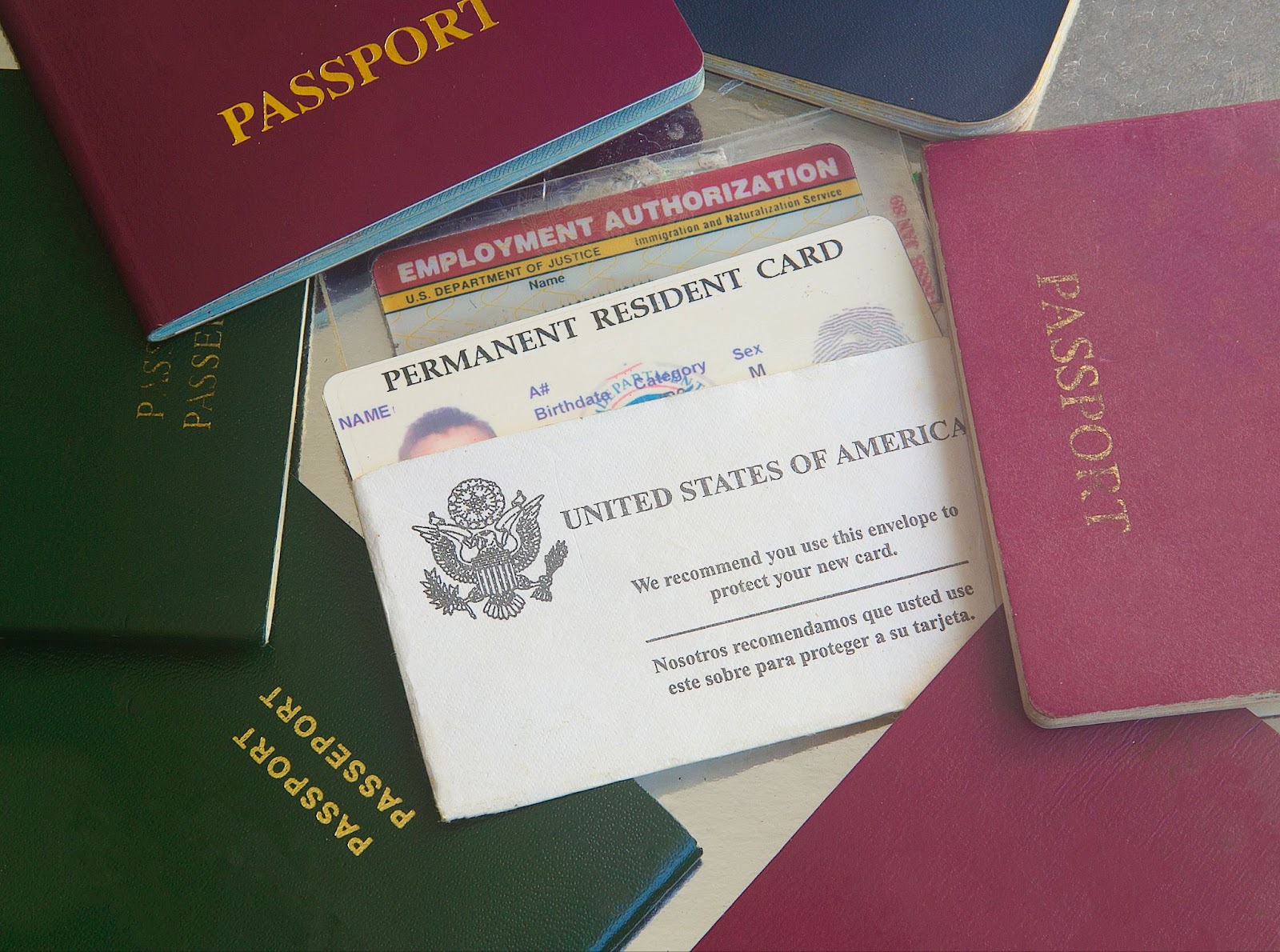
The United States immigration system offers several pathways for individuals who want to live, work, or build a future in this country. However, the terms visa, green card, and citizenship are often used interchangeably, even though they represent very different legal statuses. Understanding the distinctions between them is essential when determining the right path for you or your family.
At Botelho Law Group, we guide clients through each stage of the immigration process. Whether you are seeking temporary permission to enter the country or working toward permanent residency or citizenship, knowing your options can help you make informed decisions and avoid costly mistakes.
What Is a Visa?
A visa allows a foreign national to travel to a U.S. port of entry and request permission to enter the country for a specific purpose and period of time. Visas are typically categorized as either immigrant or nonimmigrant.
Nonimmigrant visas are temporary. They include student visas, tourist visas, and certain employment visas. These visas allow individuals to remain in the United States for a limited duration and for a defined purpose.
Immigrant visas, on the other hand, are issued to individuals who intend to live permanently in the United States. Once admitted under an immigrant visa, the individual generally becomes a lawful permanent resident.
Each visa category has its own eligibility requirements, documentation standards, and timelines. Filing incorrect forms or missing deadlines can result in delays or denials. Working with an experienced immigration attorney at Botelho Law Group can help ensure that applications are properly prepared and submitted.
What Is a Green Card?
A green card grants lawful permanent resident status. A person with a green card is authorized to live and work permanently in the United States. Lawful permanent residents may also travel outside the country, though extended absences can jeopardize their status.
There are several ways to obtain a green card, including through family sponsorship, employment sponsorship, refugee or asylum status, or certain humanitarian programs. Immediate relatives of U.S. citizens often have different processing timelines than other family-based applicants. Employment-based green cards may require labor certifications and employer sponsorship.
Permanent residents must comply with U.S. laws, maintain their residency, and renew their green card as required. Although permanent residency provides many rights, it does not grant the full protections and privileges of citizenship.
What Is U.S. Citizenship?
Citizenship is the highest immigration status available in the United States. U.S. citizens have the right to vote, apply for a U.S. passport, sponsor additional family members for immigration benefits, and receive full constitutional protections.
Most lawful permanent residents may apply for citizenship through a process called naturalization after meeting certain eligibility requirements. Typically, applicants must have held a green card for at least five years, or three years if married to a U.S. citizen. They must also demonstrate continuous residence, physical presence, good moral character, and an understanding of English and U.S. civics.
The naturalization process includes filing an application, attending a biometrics appointment, completing an interview, and passing a civics and English test. Proper preparation is critical to avoid delays or complications.
Choosing the Right Path
Determining whether you need a visa, a green card, or citizenship depends on your long term goals, family circumstances, and employment situation. Some individuals seek temporary work opportunities, while others are focused on permanent relocation and building a life in the United States.
Because immigration laws and policies can change, having knowledgeable legal representation is essential. Even minor errors on applications or misunderstandings about eligibility can significantly affect your case.
Botelho Law Group is committed to helping clients understand their rights and options under U.S. immigration law. Our attorneys provide personalized guidance, careful case preparation, and strategic planning to help individuals and families move forward with confidence.
Take the Next Step
If you are unsure which immigration path is right for you, professional legal advice can make all the difference. Whether you are applying for a visa, pursuing permanent residency, or preparing for citizenship, Botelho Law Group is here to help you navigate the process clearly and effectively.
Contact Botelho Law Group today to discuss your immigration goals and learn how we can assist you in securing your future.